 | |||
Bilberry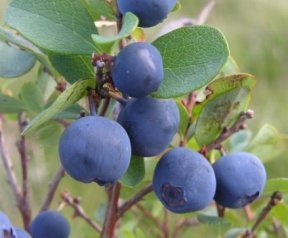 Bilberry refers to the blueberry bush native to Europe and North America. Bilberry refers to the blueberry bush native to Europe and North America. In Elizabethan times, English herbalists referred to bilberries as "wortleberries" and used them to treat diarrhea and stomach complaints. American herbalists later combined them with gin to make a diuretic! The fruit containes an anti-oxidants (anthocyanosides) that can prevent free radicals in the body from causing damage. It may even reverse the damage.Bilberry contains Vitamin C which is also an anti-oxidant. This fruit is available in tablets made from the extract and as a dried herb bagged for tea. Sometimes it is combined with leutin to maintain eye health. Standardized extracts can be taken 240-600mg per day. Studies from the '50's and '60's noted that the effects were greater when combined with beta-carotene which is found in green, yellow and orange vegetables. Like other fruit with Vitamin C in it, you can eat the dried fruit and receive the benefit. Some people also make a tea from the berries and drink that. Extracts are available but like any other extract in herbal medicine you should use only a standardized form. This means you get the same dose bottle to bottle. Look for something that has at least a 25% anthocynaosides concentration, 80-120mg twice a day. Benefits Of Bilberry
Cautions In UseYou should not use high doses of bilberry teas or take teas of this herb for more than one month at a time. If blood appears in the urine, discontinue use. Prolonged use may thin the blood and cause bleeding.Drug InteractionsDo not take this herb during pregnancy, or if you are taking anti-coagulants such as warfarin (Coumadin), or if you have a bleeding disorder. There is some thought that anthocyanosides may interact with these medications and potentiate them, thereby making the risk of bleeding higher. Monitor your blood sugar closely to avoid hypoglycemia if you are diabetic and using bilberry with your diabetic medications. The dried fruit could lower blood suger and when taken with diabetic medications, cause hypoglycemia. If you are diabetic you should also avoid garlic, fenugeek, ginseng and ginger for the same reason. |
| ||
|
Information
Treatment
How To
Legal
| |||
 | Home Page | Privacy Policy |Medical Disclaimer |Written by Mary Kay Betz |
Copyright©
2008-2012
 Return to top
 | |||



